Revenge Bedtime Procrastination
Revenge Bedtime Procrastination: describes the decision to sacrifice sleep for leisure time that is driven by a daily schedule lacking in free time. Why do you avoid going to bed? What happens when you lack sleep? Get to sleep faster Author Enrique Galindo
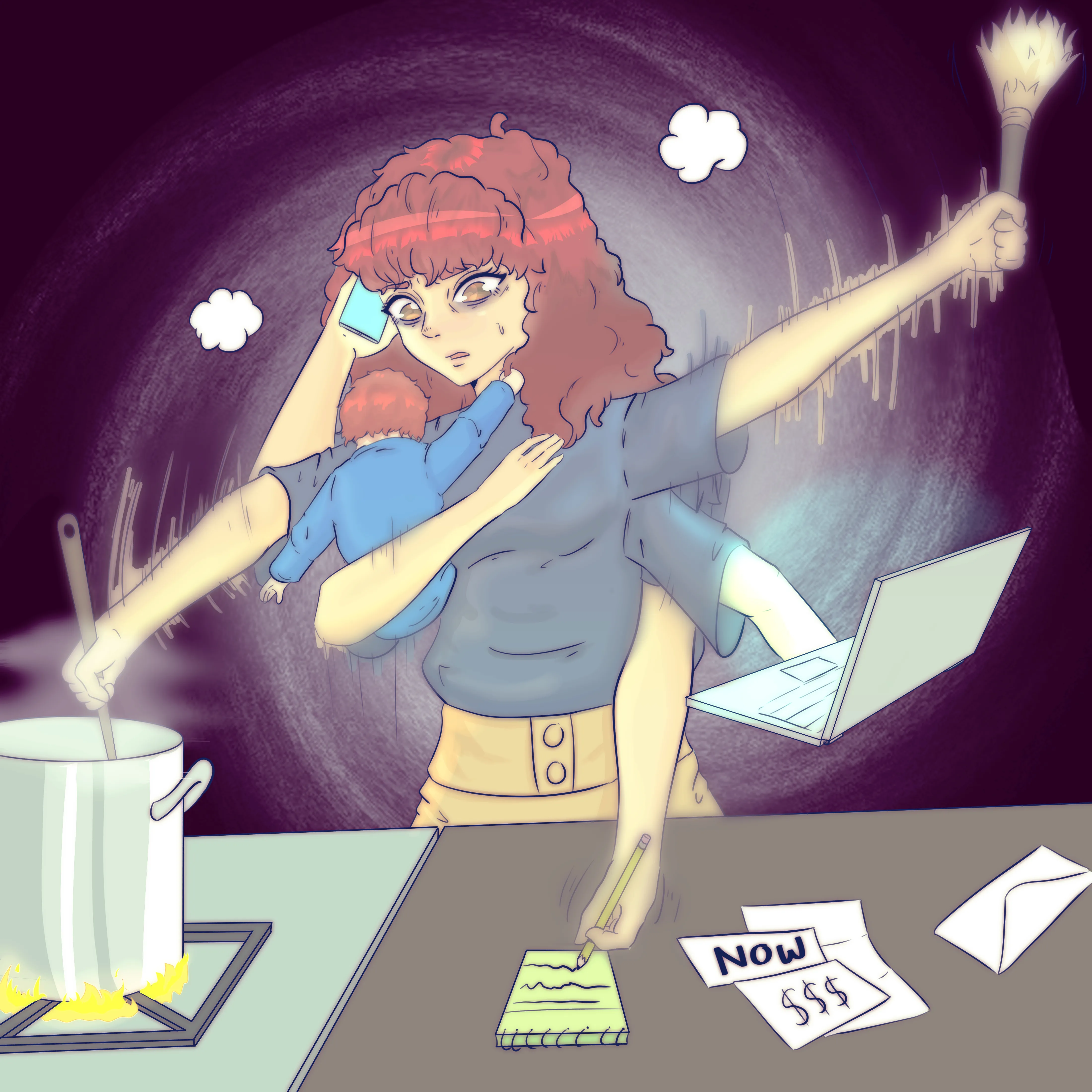
There are nights when you have had a full day of work and activities. You are tired, and you know you need to get some sleep. You think about just turning in for the night, but instead you find yourself scrolling through your phone, or maybe you find yourself online playing with your friends again, or really you find yourself doing anything besides sleeping. You need the sleep, but you have been productive all day. Honestly, you earned this chunk of freedom, and the consequences are for future you to deal with. I know I have certainly had this experience recently, and I often come to think I will be so tired the next day that it will force me to break the cycle. Usually, that does not end up being the case. This phenomenon has recently been dubbed “Revenge Bedtime Procrastination.”
Revenge Bedtime Procrastination:
This is certainly interesting phrasing but it “describes the decision to sacrifice sleep for leisure time that is driven by a daily schedule lacking in free time” (Eric Suni). The “Revenge” aspect of the name comes from the fact that it is usually done “in response to stress or a lack of free time earlier in the day” (Eric Suni). The term became popular on social media, and the English phrasing “emerged from a translation of an expression in Chinese that reflected frustration tied to long, stressful work hours that left little time for personal enjoyment” (Eric Suni).
Sure it has a nice ring to it, but, according to the Sleep Foundation, there are three main behaviors associated with revenge bedtime procrastination.
- A delay in going to sleep that reduces one’s total sleep time
- The absence of a valid reason for staying up later than intended, such as an external event or an underlying illness
- An awareness that delaying one’s bedtime could lead to negative consequences
Similar to other forms of procrastination it boils down to avoiding or postponing some responsibility without a valid reason. For me, it often feels like my way to steal back a piece of my day. Work and general obligations of others seem to snatch up all my time, and before I know it the entirety of my day has been consumed. There is a blissful portion of the day that can be mine for the taking when nobody else is around. Even though I am tired and aware of the value of sleep, it often feels like I am powerless to fight the procrastination.
Limited Will Power:
The inability to will myself into bedtime may not be a flaw unique to me. In fact, psychological “researchers have a name for this phenomenon: ego depletion” (Nir Eyal). The basic idea behind ego depletion is that “willpower is connected to a limited reserve of mental energy, and once we run out of that energy, we’re more likely to lose self-control” (Nir Eyal). A lot of people that are considered highly successful seem to make choices around this premise.
“I like to do my high-IQ meetings before lunch,” Bezos said. “Anything that’s going to be really mentally challenging–that’s a 10 o’clock meeting. Because by 5 p.m., I’m like, ‘I can’t think about that today. Let’s try this again tomorrow at 10.’”
Steve Jobs is also known to have worn the same thing every day to reduce decision fatigue. I could not find a direct quote from him saying that was his reasoning, but it does seem to be widely believed that was his reasoning. He is also certainly not the only successful person to have dawned a limited wardrobe.
The same idea relates to why it is so challenging to make the choice to go to sleep when it is so easy to put it off. “Our capacity for self-control is already at its lowest at the end of the day,” which may lead to the cycle of facilitating and repeating the act of procrastinating sleep (Eric Suni). Believing that my exhaustion from tonight’s bedtime procrastination will force me to sleep the following day may actually lead to a greater ego depletion, making it easier to repeat the habit.
While “[ego] depletion received scientific support in the late 1990s,” the premise may not be as concrete as previously believed (Nir Eyal). Nir Eyal claims that it may be entirely a placebo in this tremendous article. https://hbr.org/2016/11/have-we-been-thinking-about-willpower-the-wrong-way-for-30-years
Placebo or not, I certainly feel its effects, and I imagine many others do as well.
What Happens When You Lack Sleep:
There is a constant telling about the value of sleep, but it may not be widely known what happens to the body without it. “The Centers for Disease Control and Prevention (CDC) recommend that adults between the ages of 18 and 60 years get at least 7 hours of sleep a night” (Jamie Eske). Often we hear eight hours of sleep recommended, and seven hours seems more achievable. Nonetheless, “approximately 35 percent of adults in the United States do not get enough sleep” (Jamie Eske).
Along with lack of sleep comes sleep deprivation; “Sleep deprivation occurs when a person gets less sleep than their body needs” (Jamie Eske). There is not some exact number of hours a night that causes sleep deprivation as each person’s body is different and has different needs.
“General symptoms of sleep deprivation in adults can include:
- fatigue and sleepiness during the day
- concentration, alertness, and memory difficulties
- reduced coordination
- irritability
- increased appetite
- mood changes”
(Jamie Eske)
While it is unclear how long a person can go without sleep, “the current world record for a person going without sleep is 266 hours, which equates to just over 11 days” (Jamie Eske). This likely is not something you would want to repeat as continued lack of sleep can increase the likelihood “of several health conditions, including obesity, diabetes, and heart disease” (Jamie Eske). It could also be fatal as “sleep deprivation can increase the risk of dangerous accidents,” and the National Highway Traffic Safety Administration (NHTSA) has reported that “drowsy driving claimed 795 lives in 2017” (Jamie Eske).
Avoid Bedtime Procrastination:
When I went through this article by Eric Suni to see how to avoid or prevent revenge bedtime procrastination I was honestly disappointed. These are the solutions presented:
- Keeping a consistent bedtime and wake-up time, including on non-working days
- Avoiding alcohol or caffeine late in the afternoon or evening
- Stopping the use of electronic devices, including cell phones and tablets, for at least half-an-hour, and ideally longer, before bed
- Developing a stable routine to use every night to prepare for bed
However, earlier it was discussed that the reason for this behavior is having a day so full that sleep was sacrificed for “me time.” I think a better solution would be to make sure you schedule in some space for yourself, and I mean that literally. I know that if it’s not written into my life I will push it back for other things. Having time for the things you enjoy is going to allow you to live a more fulfilling life in the long run. Better to make some time for it and be happier than to jam it in and be sleep deprived.
Sources:
Title: The effects of going more than 24 hours without sleep
Medically reviewed by: Alana Biggers, M.D., MPH
Author: Jamie Eske
Source: https://www.medicalnewstoday.com/articles/324799
Title: Have We Been Thinking About Willpower the Wrong Way for 30 Years?
Author: Nir Eyal
Source: https://hbr.org/2016/11/have-we-been-thinking-about-willpower-the-wrong-way-for-30-years
Title: What Is “Revenge Bedtime Procrastination”?
Author: Eric Suni
Source: https://www.sleepfoundation.org/sleep-hygiene/revenge-bedtime-procrastination